The Employment Leave Act 2026 has now been passed into law
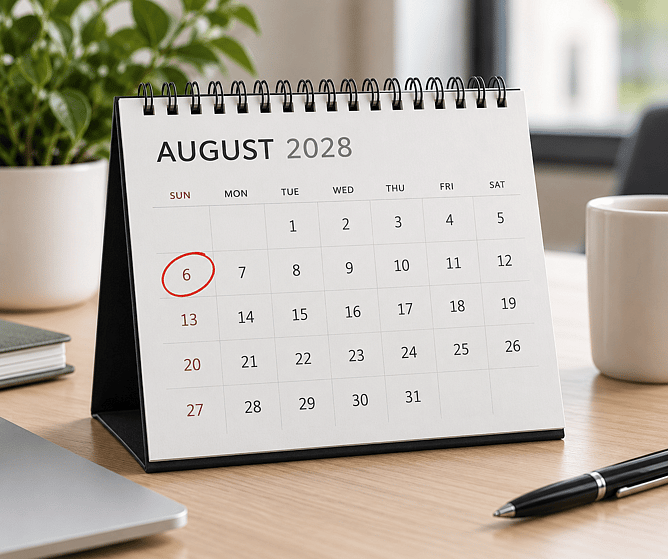
After plenty of discussion, consultation and Parliamentary debate, the Employment Leave Bill has now become the Employment Leave Act 2026 and will come into force on 6 August 2028.
The law has not changed yet!
You must follow the current rules in the Holidays Act until the new law starts on 6 August 2028.
So, what happens now?
The next two years will be about getting ready for what is a significant change to the way leave is managed in New Zealand.
Some of the key changes ahead include:
Annual and sick leave accruing in hours from day one
Leave accruing on standard hours
A 12.5% Leave Compensation Payment applying to additional and casual hours
New rules for determining whether a public holiday is an “Otherwise Working Day”
A more consistent hourly approach to calculating and paying leave.
Our advice? Don’t rush.
There is plenty of time to prepare, and more detailed guidance will be released over the transition period.
Read on for more detailed information:
Moving to Hours-Based Accrual
The new Act introduces an hours-based leave system, replacing the current days-and-weeks approach. Leave will accrue from day one of employment and be calculated using standard, additional, or casual hours, with updated rules across all major leave types.
Public Holidays and the "Otherwise Working Day" Test
A new "otherwise working day" (OWD) test will determine entitlements around public holidays. Where an employee works a public holiday that would otherwise have been a working day for them, their alternative leave entitlement will now accrue hour-for-hour, replacing the more subjective assessments required under the current law.
Payslips, Records, and Closedowns
Employers will face new record-keeping obligations, including pay statements that clearly itemise pay and leave information for every pay period in which an employee works or takes paid leave. Additional requirements will apply to record-keeping for working hours, rosters, leave, and public holiday calculations.
Annual closedown provisions are also being clarified. Employers will be limited to one closedown period per calendar year and must give affected employees at least 21 days' written notice before it begins.
Annual leave
Accrues from day one, proportional to standard hours, rather than after a qualifying period
Taken in hourly increments instead of full days — a significant help for employees on variable hours
Annual leave cash-up
Employees can request to cash up 25% of their annual leave entitlement every 12 months, timed to their work anniversary
Employees with more than 4 weeks' leave can cash out a bigger chunk in absolute terms
Sick leave
Also earned from day one, proportional to hours worked, up to a 160-hour cap
Replaces the current model of granting 10 full days upfront — part-time staff will now accrue based on actual hours rather than getting a flat 10 days
Bereavement and family violence leave
Stays as a fixed number of days, but becomes accessible from day one of employment rather than after a qualifying period
Casual employees ("pay as you go")
The loading rate rises from 8% to 12.5% to cover all leave types
In exchange, casuals lose eligibility for paid sick leave and bereavement leave
Additional hours
Permanent employees who regularly work above their standard hours get a 12.5% loading on those extra hours
Likely to matter most for businesses running rosters with minimum guaranteed hours where staff routinely work over
Public holidays
Simplified to a single eligibility test: did the employee work 50% or more of that day in the preceding 13 weeks
Alternative holidays
Accrue hour-for-hour rather than as a full day
Leave calculations
Based on the employee's base wage; variable pay like bonuses and commission is excluded, while fixed allowances remain included
Parental leave
Annual leave taken after parental leave will be paid at the standard rate — the previous "override" rules that reduced payment amounts are removed
Employment New Zealand’s website has suggested a preparation timeline and can be found at the link below:

General enquiries Email: payroll@accounted4.co.nz
Carolyn Ext.837 - Email: carolyn.l@accounted4.co.nz
Kate Ext.825 - Email: kate.c@accounted4.co.nz
Anne Ext.831 - Email: anne.b@accounted4.co.nz