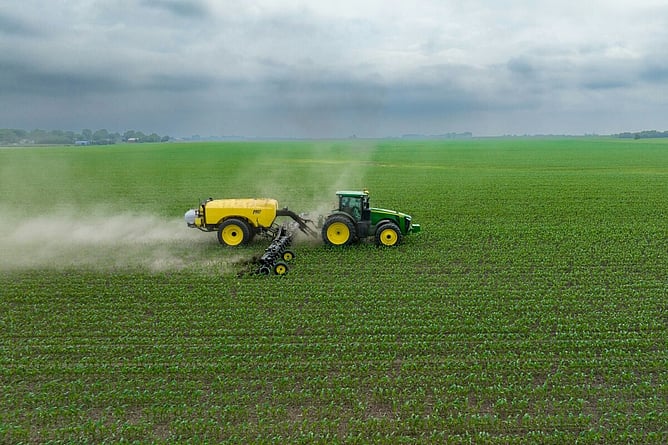
Fuel and fertiliser costs are two key cash outflows within your farming business budget. But with the price of both fuel and fertiliser at extremely high levels, running your daily agricultural operations is becoming increasingly costly.
To get your operational cashflow back under control, here's five key ways to mitigate these high prices and come up with innovative ways to reduce your outgoings.
Switch to electric and alternative power
With petrol and diesel costs so high, moving over to electric power could be a timely strategy.Replacing petrol farm vehicles with electric utility vehicles (UTVs) helps you cut your reliance on fossil fuels and reduce your running costs. It’s even worth considering adding renewable energy sources, like solar power, to further lower your long-term fuel and energy overheads.
Get targeted with your use of fertiliser
With fertiliser in short supply, it makes sense to make the most of the supplies you have.By testing your soil quality and using variable-rate technology, you can apply fertiliser exactly where it’s needed. This helps eliminate waste and reduce your total input volumes, without sacrificing your target yields.
Save fuel by using conservation tillage
Ploughing fields prior to planting uses a lot of energy and fuel.Switching away from conventional tillage to conservation tillage leaves the previous year’s crop residue in place. This reduces tractor engine hours and fuel consumption per hectare, while also lowering maintenance wear and mechanical running costs across your operations.
Join a buying cooperative
Sharing the costs of fuel and fertiliser is an excellent way to reduce the overall expense.Buying cooperatives allow you and your local farming peers to combine your purchasing power and negotiate bulk discounts on both diesel and fertiliser. Agreeing on forward contracts with your suppliers is a useful way to set the price and protect yourself against spikes in inflation.
Restructure your debt to optimise working capital
Working capital is essential for keeping your farming business trading. So, finding ways to boost your capital position can be extremely valuable.Think about renegotiating longer terms for your existing loans, or consolidating your existing debt into one larger finance arrangement. Flexible, short-term credit lines – like revolving credit facilities or business credit cards – are also a great way to make your capital go further.
Working with you to manage your farming expenses
If fuel and fertiliser costs are causing an issue for your cash, come and talk to our team.
We’ll be happy to review your current expenses, looking for the opportunities to cut costs and mitigate the impact of high inflation during difficult economic conditions.